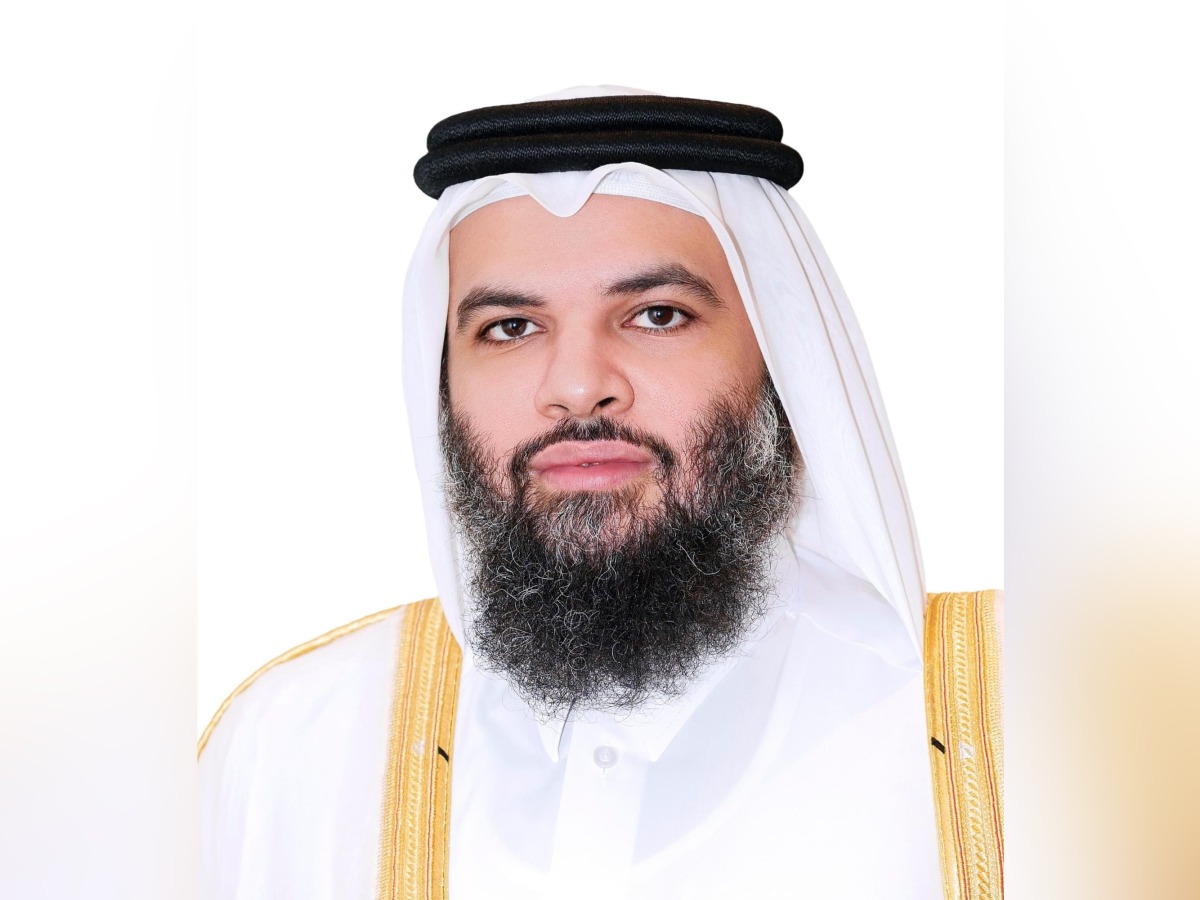
Undersecretary of the Ministry of Awqaf and Islamic Affairs H E Dr. Sheikh Khalid bin Mohammed bin Ghanem Al Thani
Doha, Qatar: The Ministry of Awqaf and Islamic Affairs has unveiled its 2025 annual outcomes, highlighting a decisive shift from strategic planning to delivering measurable societal impact, in line with its 2025–2030 strategy and the Qatar National Vision 2030.
The Ministry described 2025 as a landmark year in which its programmes moved beyond framework-building to achieving tangible results on the ground.
The report provides a comprehensive overview of initiatives across religious outreach, education, endowments, social development, and institutional performance, reflecting a broader transformation of religious work into an integrated national system that promotes awareness, reinforces values, strengthens identity, and supports social cohesion and sustainability.
At the core of this transformation is a shift in how success is measured. Rather than focusing solely on the number of activities, the Ministry emphasised evaluating real impact on behaviour, knowledge, and values, with clear performance indicators to guide its work.
Undersecretary of the Ministry of Awqaf and Islamic Affairs H E Dr. Sheikh Khalid bin Mohammed bin Ghanem Al Thani said the 2025 results demonstrate a qualitative leap in performance.
He noted that the Ministry has successfully transitioned from planning to implementation and impact measurement, ensuring that its religious, educational, endowment, and social programmes are closely aligned with community needs and assessed against defined benchmarks.
Dr. Sheikh Khalid added that the Ministry’s extensive outreach system, encompassing thousands of sermons, lessons, and programmes that reached hundreds of thousands, illustrates how a structured and institutionally driven religious discourse can strengthen value systems, raise awareness, and reinforce national identity.
The Undersecretary stressed that the Ministry’s strategy places people at the centre of its priorities, treating religious work as an essential component of comprehensive development. Efforts throughout 2025 focused on modernising religious discourse, expanding outreach, utilising technology, and building community partnerships to ensure lasting impact and greater accessibility of services.
He underscored that the achievements of 2025 mark the beginning of a more impactful phase rather than the conclusion of a cycle, with the Ministry continuing to enhance programme quality, improve efficiency, and deepen its role in serving society within a unified national vision.
The report shows that the dawah sector remained the primary driver of community impact, supported by wide-ranging programmes, diverse engagement tools, and integration with mosques, institutions, and digital platforms.
During the year, 111,946 religious lessons were delivered in mosques across the country, alongside more than 7,200 public lectures and outreach activities, benefiting over 520,000 people.
These efforts contributed to promoting values, encouraging positive behaviour, strengthening a sense of belonging, and supporting family and community cohesion.
In parallel, the Ministry made notable progress in mosque infrastructure, with 34 new mosques inaugurated across different areas and 21 mosques upgraded to accommodate people with disabilities in line with inclusive design standards.
The report also highlighted zakat performance, revealing that total disbursements reached QR335,262,731, distributed to eligible beneficiaries based on clearly defined social priorities.
Overall, the Ministry concluded that the 2025 outcomes reflect steady progress toward a measurable and sustainable model of social development, where religious work is closely linked to national priorities and plays an active role in building a cohesive, confident, and forward-looking society.