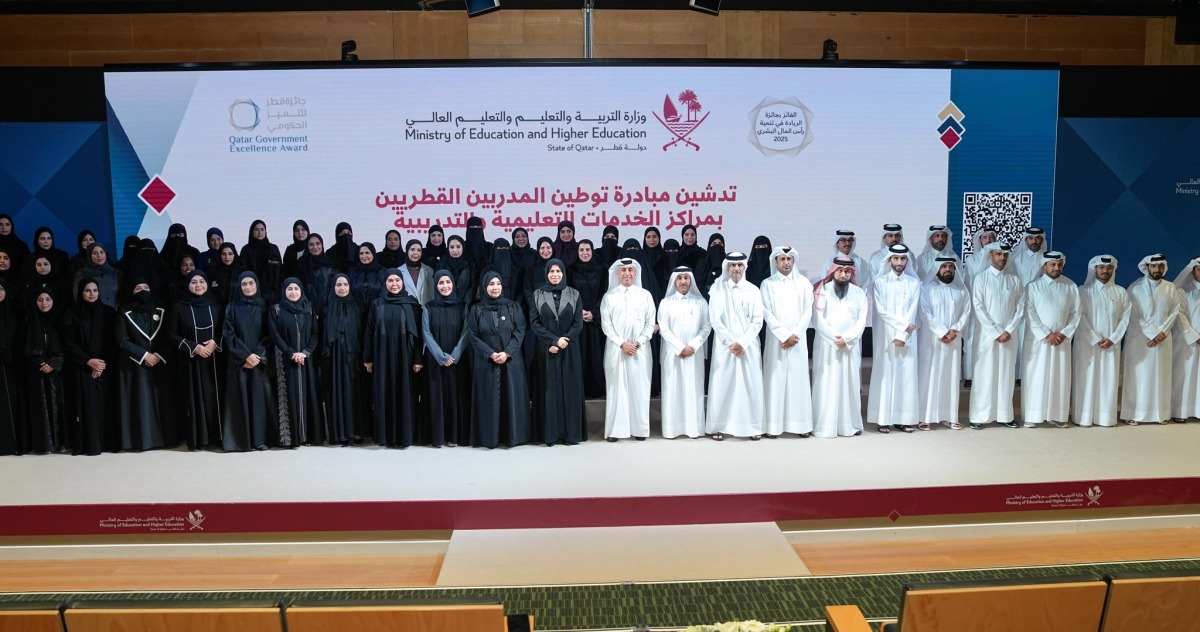
Doha, Qatar: The Ministry of Education and Higher Education (MoEHE) has launched a new initiative aimed at increasing the presence of Qatari trainers in educational and training service centres, as part of efforts to support national talent and strengthen its role in the training and lifelong learning sector.
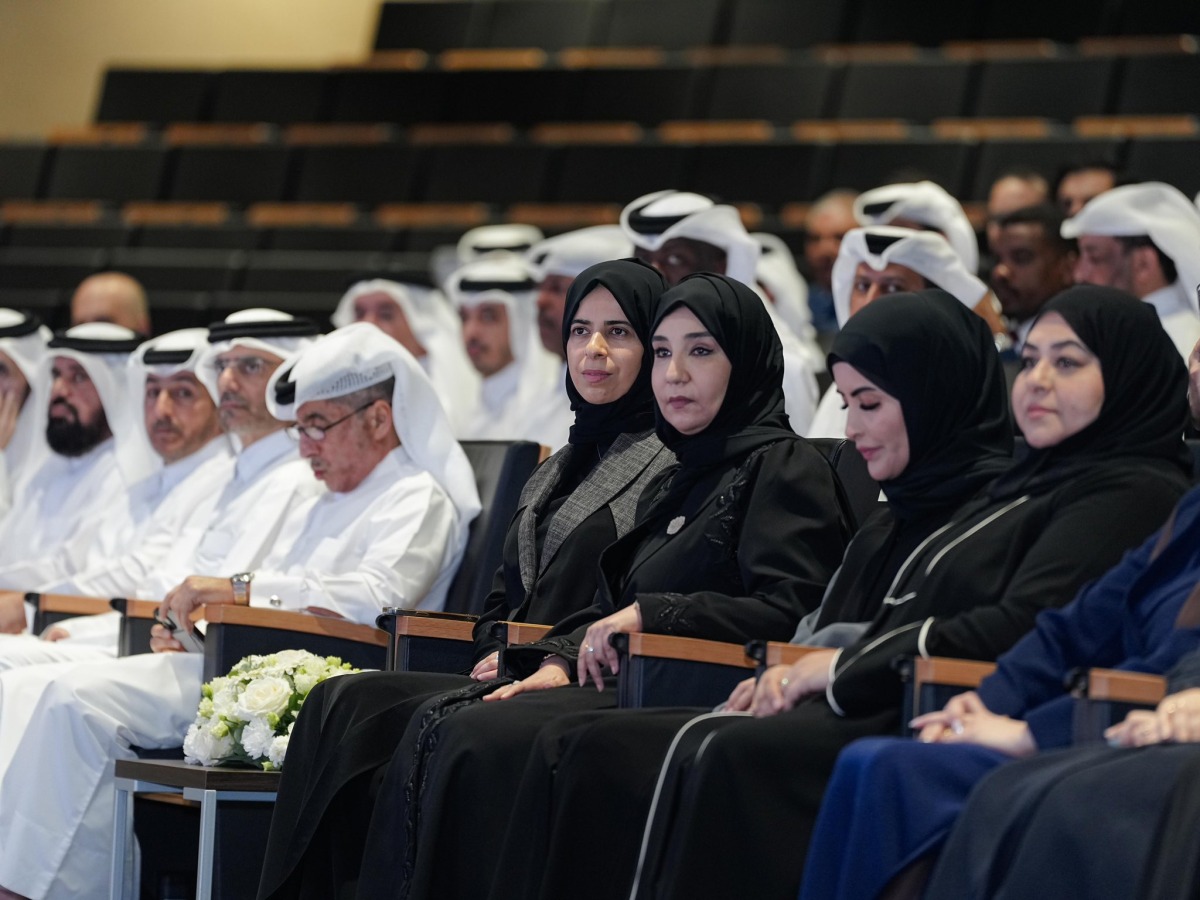
The initiative was unveiled during a press conference held at the ministry’s headquarters yesterday, in the presence of Minister of Education and Higher Education H E Lolwah bint Rashid Al Khater.
The Minister highlighted strategic importance of the initiative in fostering a sustainable training ecosystem led by national competence.
In a post on X she said: “I was pleased today to launch the initiative “Localising Qatari Trainers in Educational and Training Service Centres”. The initiative aims to empower national talent in the training sector, raise awareness of the importance of supporting Qatari trainers, and open up opportunities for their professional development.”
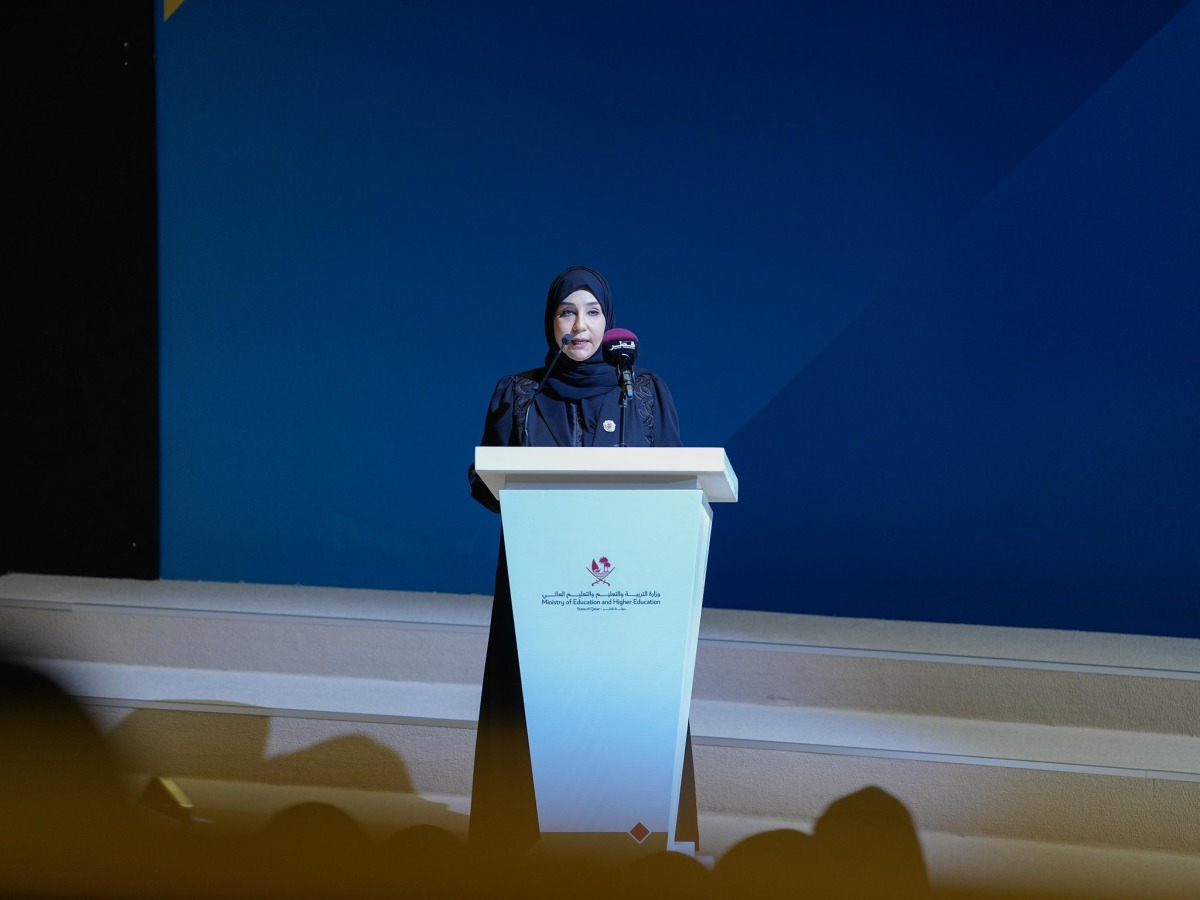
She said that the first phase of the initiative saw the participation of 121 Qatari trainers who expressed their readiness to deliver training programmes and contribute to enhancing the overall standard of Qatari trainers, in addition to building partnerships with supporting entities that have expertise in this field.
The event was also attended by several senior officials, including Undersecretary of the Ministry H E Dr. Ibrahim bin Saleh Al Nuaimi, Assistant Undersecretary for Private Education Affairs Omar Abdulaziz Al Naama, and Director of the Educational Services Centers Department Iman Al Nuaimi.
Several ministry officials, representatives of educational centres, and participating Qatari trainers were also present.
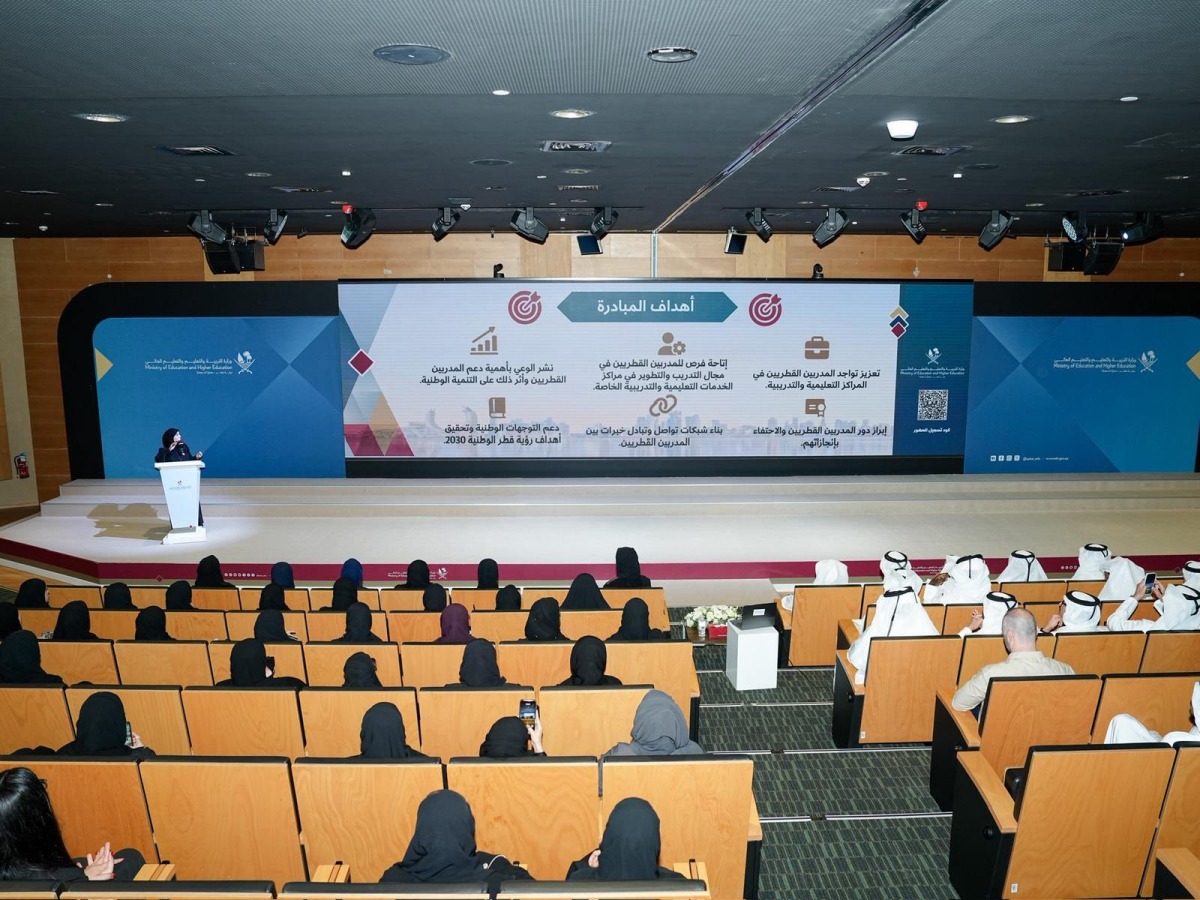
During the event, Iman Al Nuaimi delivered a detailed presentation outlining the initiative, which has been launched by the Educational Services Centers Department under the Private Education Affairs Sector.
She explained that the initiative responds to the growing demand within private educational and training centres, while also aiming to empower Qatari trainers and enhance their professional skills.
This, she noted, will contribute to improving the quality of training outcomes and strengthening the country’s lifelong learning ecosystem.
Al Nuaimi revealed strong engagement from national talent, with 121 Qatari trainers registering to participate, an indication of increasing interest in the training and professional development field.
The initiative seeks to expand opportunities for Qatari trainers in education and training centres, raise awareness about the importance of supporting national cadres, and highlight their achievements. It also aims to foster networking and knowledge exchange among trainers, aligning with national priorities and contributing to the goals of Qatar National Vision 2030.
Looking ahead, the ministry plans to conduct interviews with registered trainers and issue them accredited licenses and identification cards, enabling them to work in educational and training service centres. A directory of licensed trainers will also be shared with the centres, alongside follow-up measures to ensure their inclusion in training programmes.
The initiative marks a significant step toward empowering national competencies in the training sector, reinforcing their role in supporting a knowledge-based economy and building a society rooted in continuous learning.
Educational centres are private institutions spread across various regions of Qatar, offering a wide range of educational programmes and training courses. Their key areas of focus include administrative training, foreign language instruction, remedial education, professional and academic training, and computer education.
In addition, these centres cater to diverse needs through specialised services such as support for people with disabilities, visual arts training, and mental mathematics programmes.